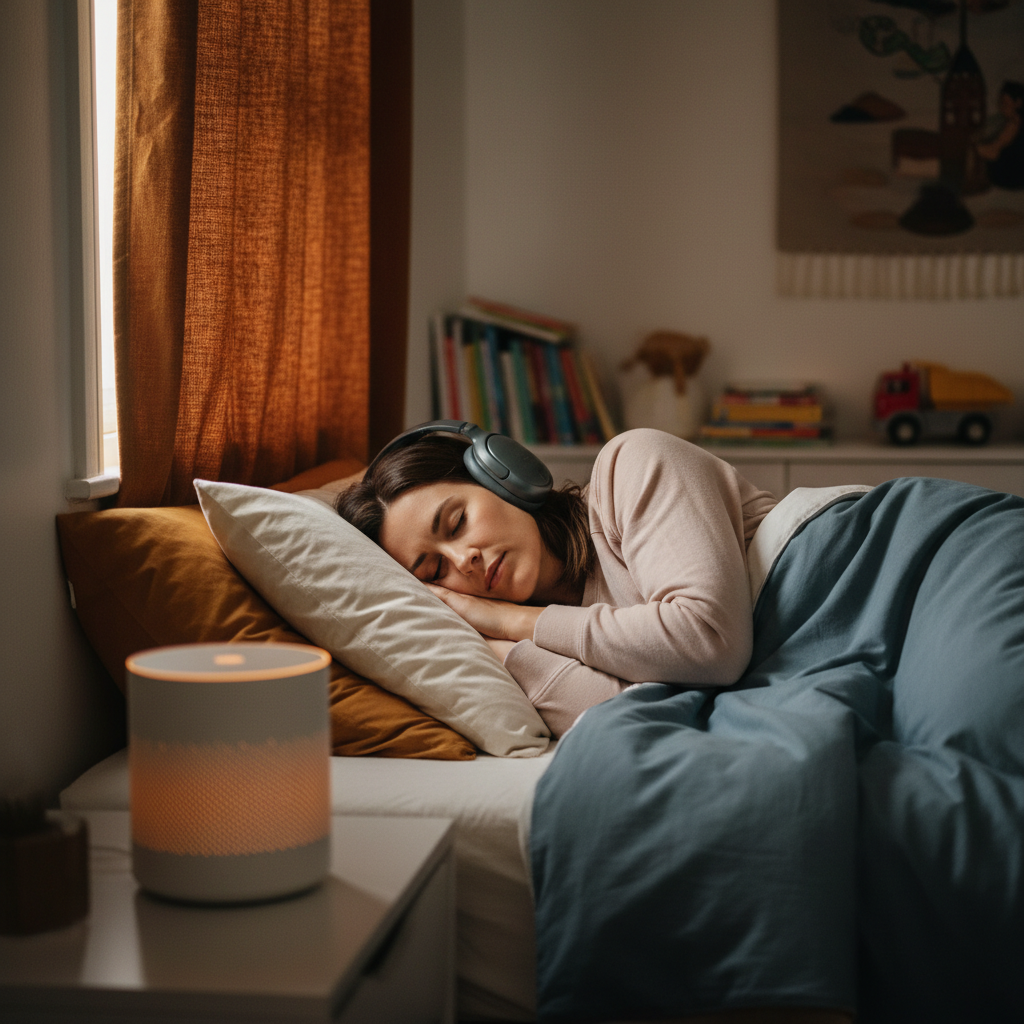
Setting up a small home office that actually works
A functional home office has less to do with square footage than with a handful of deliberate choices about light, sound, and boundaries.
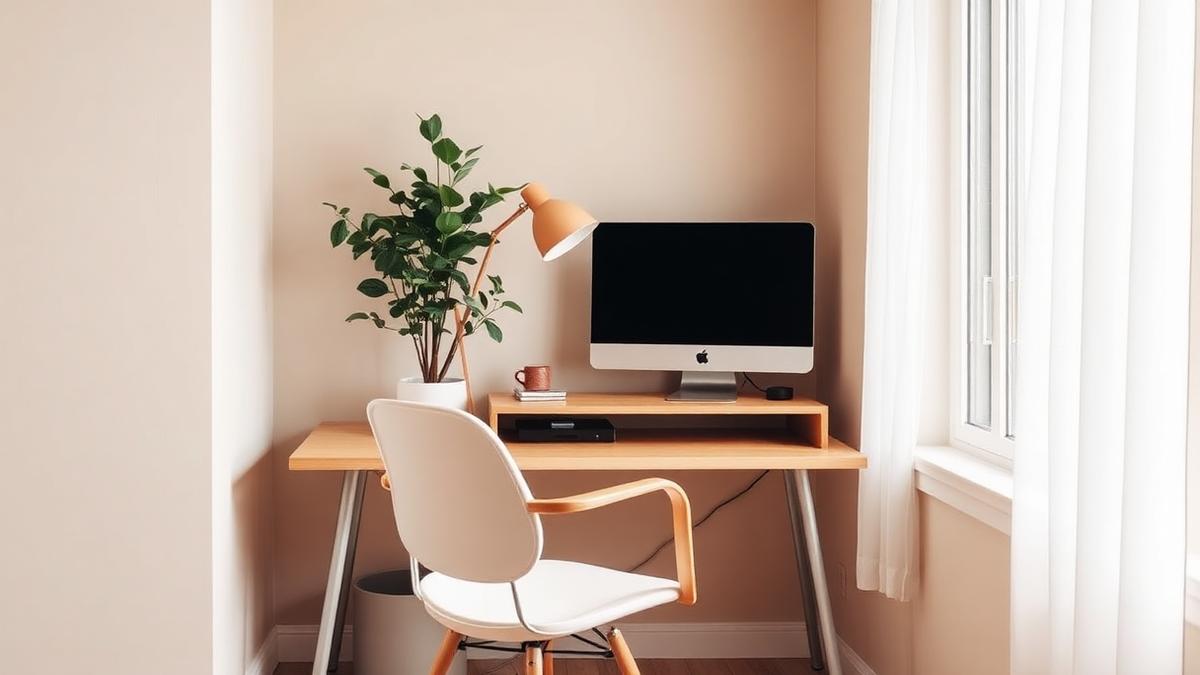
The idea that a good home office requires a spare room, expensive furniture, and a large budget keeps a lot of people from setting one up properly, even when they work from home regularly. In practice, a small, thoughtfully arranged corner often outperforms a large but poorly planned room. What matters is not the space itself but a handful of deliberate decisions made within it.
Start with light, not furniture
Lighting shapes how a workspace feels more than almost any other factor, yet it is usually the last thing people think about. Natural light is ideal when available, but the position matters: facing a window directly can cause glare on a screen, while sitting with a window to the side usually provides useful light without the strain. When natural light is limited, a single well-placed lamp with a warm, adjustable brightness does more for comfort than overhead lighting, which tends to be flat and can contribute to eye strain over a long day.
Sound matters more than most people expect
A workspace that looks organized but sits next to a noisy hallway, a shared living space, or a street with constant traffic can undermine concentration regardless of how well everything else is arranged. Simple interventions, a rug to dampen echo, a bookshelf positioned to absorb sound, or closing a door rather than leaving a space fully open, can meaningfully reduce distraction without requiring any specialized equipment.
For anyone in video calls regularly, sound also affects how they are perceived by others. A small space with soft furnishings nearby tends to produce clearer audio than a bare room with hard walls and floors, which can make voices sound distant or echoing.
Essentials worth prioritizing in a small setup
- A chair that supports good posture, since discomfort compounds quickly over repeated full workdays.
- A desk surface large enough for a laptop and one other item, like a notebook, without feeling cramped.
- Cable management, even minimal, to reduce the low-level visual clutter that a small space cannot absorb the way a larger room can.
- A visual boundary, like a folding screen or even a strategically placed shelf, separating work from the rest of a shared room.
Boundaries when there is no separate room
One of the hardest parts of a small home office is psychological rather than physical: without a dedicated room, it can be difficult to mentally separate work time from personal time, since both happen in the same physical space. Establishing small rituals, a specific time the desk gets tidied at the end of the day, a particular chair used only for work, a light that gets switched off when the workday ends, can help recreate some of the separation a dedicated room would otherwise provide automatically.
These rituals matter more than they might seem to on paper. The brain relies heavily on environmental cues to shift between modes, and a small home office without any such cues can make it much harder to fully disengage from work at the end of the day.
Working around shared spaces
Many home offices exist inside a room that also serves another purpose, whether it is a corner of a bedroom, a section of a kitchen, or part of a living room. In these cases, portability becomes valuable: a setup that can be packed away or covered at the end of the day helps the room return to its other function without a lingering sense that work is always present. A rolling cart for supplies, a laptop stand that folds flat, or a desk that can be pushed against a wall when not in use can all serve this purpose well.
Personalizing without cluttering
A completely bare desk can feel uninviting, but a small space also has less tolerance for clutter than a larger room does. Choosing one or two personal touches, a plant, a single piece of art, a favorite object, tends to work better in a small office than an accumulation of items that gradually crowd the usable surface. The goal is a space that feels intentional rather than either sterile or chaotic.
For more practical approaches to everyday spaces and habits, see our lifestyle coverage.
A setup that grows with you
A small home office does not need to be a permanent compromise. Treating it as a starting configuration, one that can be adjusted as needs change, tends to produce better long-term results than trying to build a perfect setup all at once. The most functional home offices are usually the ones that have been quietly refined over time, not the ones assembled in a single ambitious weekend.
About the author
Idris Oyelaran covers consumer technology, privacy and applied science. He is happiest explaining a complicated system in ordinary language, and he tests every recommendation on his own devices before it appears in a story.