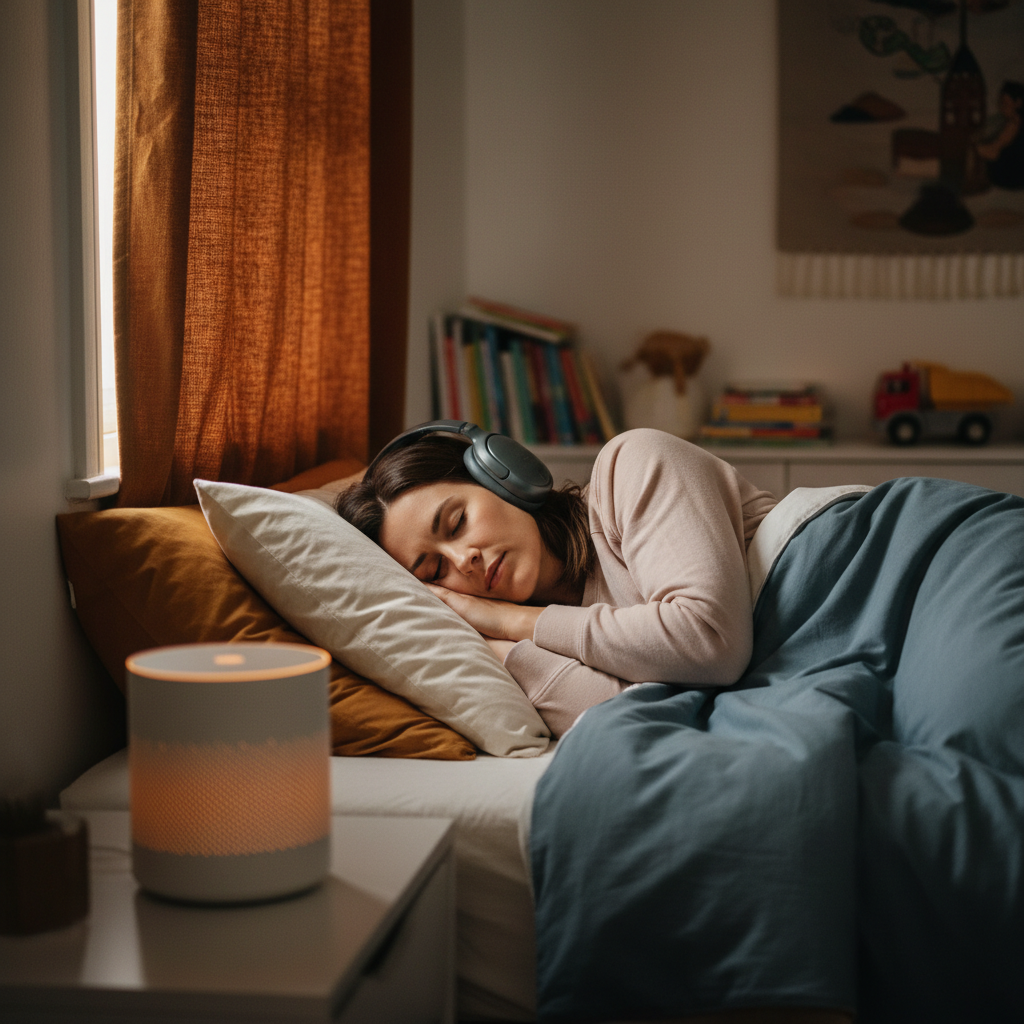
Planning a weekend that feels longer than it is
A weekend does not need more hours to feel longer, it needs a different relationship with how those hours are spent.
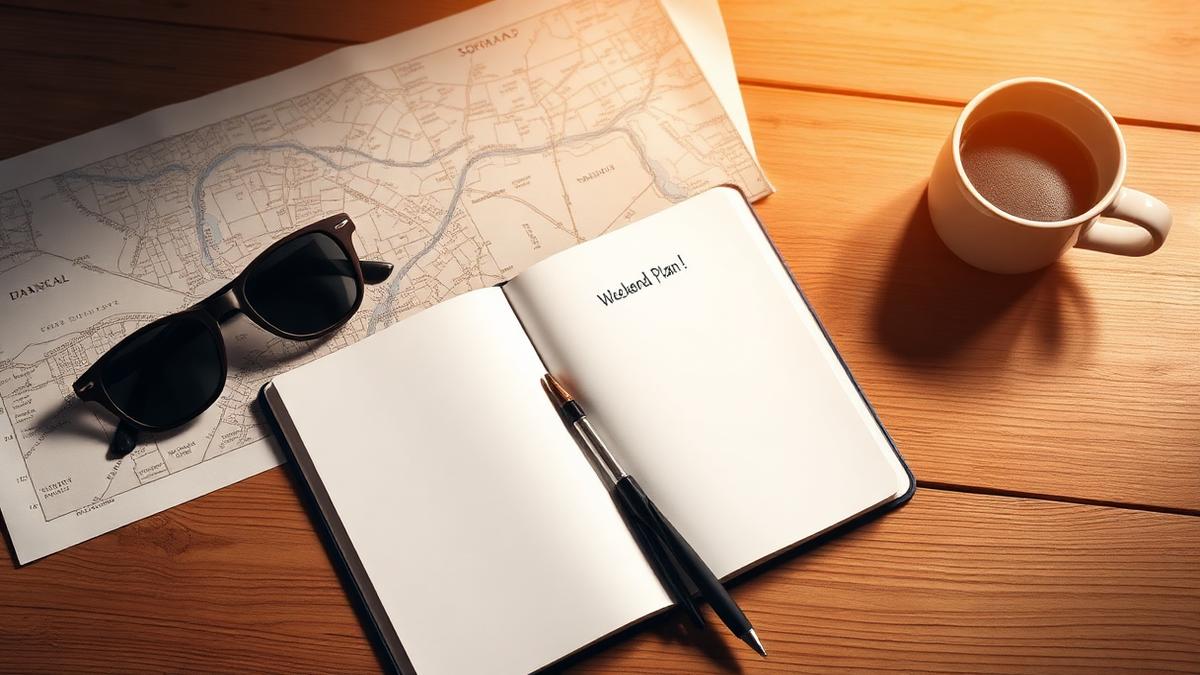
Weekends often disappear faster than expected, arriving with a long list of intentions and ending with the vague sense that none of it happened. The problem is rarely a lack of hours. Most weekends contain roughly the same number of waking hours as a weekday, yet weekdays, full of obligations, often feel longer in memory than weekends spent resting. Understanding why reveals a useful, counterintuitive approach to planning time off.
Why time feels compressed
Psychologists who study the perception of time have long noted that novelty and variety make stretches of time feel longer in retrospect, while routine and repetition compress them. A weekend spent entirely on the couch, however restful in the moment, often blurs into a single undifferentiated block of memory. A weekend containing a few distinct, memorable activities, even small ones, tends to feel far longer when looked back on, simply because there is more to distinguish one part of it from another.
This means the goal of a weekend that feels long is not necessarily to do more, but to do things that are different enough from each other, and different enough from the rest of the week, to create distinct memories rather than a single hazy impression.
The value of a clear start
Weekends often start slowly, with a lingering sense of the work week not fully finished. A deliberate transition ritual, even something as simple as a short walk, a specific meal, or tidying a workspace before stepping away from it, can mark a clear boundary between the working week and the time off that follows. Without this boundary, the first several hours of a weekend can be quietly consumed by lingering work thoughts, effectively shortening the time that actually feels free.
Small choices that stretch the feeling of a weekend
- Doing at least one activity that did not happen during the work week, even something minor, to create a distinct memory.
- Limiting time spent on passive scrolling, which tends to compress rather than expand the sense of elapsed time.
- Spending part of the weekend somewhere other than home, even a short local outing, since a change of physical setting reinforces the sense of a break.
- Building in unstructured time deliberately, rather than filling every hour, since some open space is needed to actually notice and enjoy the break.
Balancing rest and activity
A common mistake is treating a weekend as either entirely restful or entirely productive, when a mix of both tends to produce the strongest sense of a full, satisfying break. A weekend spent purely catching up on errands can feel like an extension of the work week rather than a break from it, while a weekend spent doing absolutely nothing can leave a vague, unsatisfied restlessness once it ends. Some combination, a morning spent on a task that brings a real sense of completion, an afternoon spent on something purely enjoyable, tends to outperform either extreme.
Protecting the transition back
Just as a clear start helps a weekend feel distinct, a clear ending helps preserve the sense of having actually had one. Leaving Sunday evening entirely unplanned, drifting straight from leisure into dread about the upcoming week, tends to undercut the benefit of everything that came before it. A short period reserved for light preparation, checking a calendar, laying out clothes, planning the first task of the week, can reduce that dread without requiring the whole evening to feel like work already.
Weekends without much time or money
None of this requires an elaborate trip or significant spending. A short walk somewhere unfamiliar, a meal cooked differently than usual, an hour spent on a hobby set aside during the week, all of these can provide the variety that makes a weekend feel distinct, without requiring resources beyond a small amount of planning and intention. The key ingredient is not size or cost but contrast with the routine that fills most of the week.
For more ideas on shaping everyday time with intention, see our lifestyle coverage.
A different measure of a good weekend
Rather than measuring a weekend by how much was accomplished or how completely rest was achieved, it may be more useful to measure it by how distinct it feels from the week around it. A weekend remembered clearly, even a quiet one, has usually done its job better than a busier one that blurs together the moment it ends.
About the author
Mara Devlin edits the publication and writes about the internet's infrastructure and incentives. She spent a decade as a technology reporter and editor before founding this masthead, and still does most of her reporting by reading documentation nobody else wants to read.