How fan translation and subtitling shaped global audiences
Long before official localization caught up, dedicated fans built the pipelines that carried stories across language barriers.
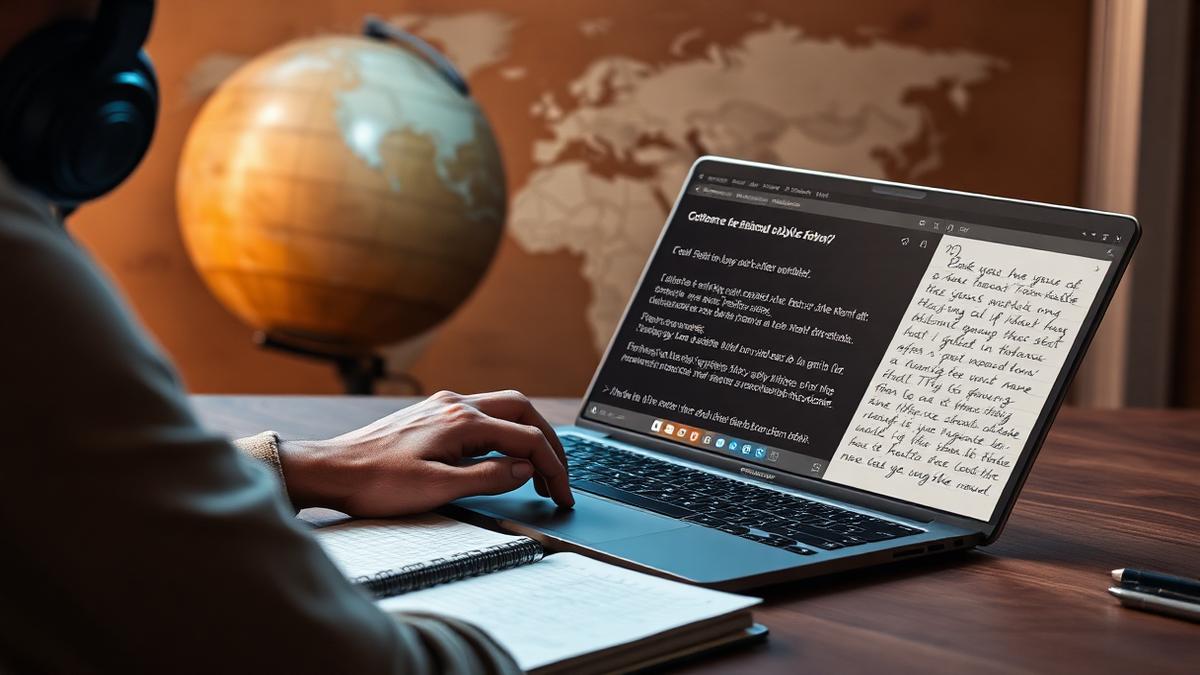
Long before streaming platforms offered subtitles in dozens of languages at the click of a button, audiences hungry for stories from beyond their own borders relied on an entirely different system: volunteer translators working for free, often overnight, to bring foreign media to new audiences. This informal network, built without corporate backing or licensing deals, quietly shaped how global entertainment reached the world.
The gap that fan translation filled
For decades, licensing a foreign television show, film, or comic for another market was slow and expensive. Distributors weighed costs against uncertain demand, and many works considered niche in their home country never received an official release abroad at all. Fans who encountered these works, often through imported copies or early internet file sharing, took translation into their own hands, driven by the simple desire to share something they loved with people who could not otherwise understand it.
This work required real skill. Fan translators had to render not just literal meaning but tone, humor, and cultural context, often for material with no official reference translation to draw from. Subtitling added a further technical layer, requiring frame-accurate timing to make dialogue readable without lagging behind or rushing ahead of the spoken lines.
Building demand before the market existed
One of the more surprising effects of fan translation was its influence on the commercial market. Distributors often discovered, after the fact, that a fanbase already existed for a work they hadn't planned to license, built entirely through informal channels. This meant that by the time an official release arrived, there was frequently a ready audience already familiar with the material and eager for a polished version.
In some cases, the existence of a passionate international following became a factor companies weighed when deciding what to license and localize next. What began as a workaround for absent official channels effectively became an informal market research tool, revealing appetite that traditional distribution had missed entirely.
What fan communities contributed
- Translation glossaries and style guides that later informed how official localizations approached specific terms and names.
- A culture of rapid turnaround that pushed audience expectations toward near-simultaneous global releases.
- Cross-cultural literacy, as fans researching context for accurate translation shared that knowledge publicly for others to learn from.
Tensions with official industries
The relationship between fan translators and the industries whose work they translated was never simple. Rights holders often viewed unofficial translation and subtitling as a form of unlicensed distribution, and many fan projects were shut down once official versions were announced. At the same time, some companies quietly acknowledged that fan communities had built audiences that made official expansion into new markets viable in the first place.
This tension pushed the industry toward faster, more accessible official localization, since waiting years to license a popular work only strengthened the case for fans to keep filling the gap themselves. The eventual rise of near-simultaneous international releases owes something to this pressure.
From volunteers to professionals
Many people who began as volunteer translators eventually moved into professional localization work, bringing with them habits formed in fan communities: attention to nuance, responsiveness to audience feedback, and a genuine investment in getting cultural references right rather than merely functional. This migration of talent helped raise the general standard of official translation and subtitling across the industry.
It also changed how audiences think about translation quality. Viewers who had compared multiple fan versions of the same work developed strong opinions about what made a translation good, and they carried those expectations with them when official versions arrived, pushing companies to invest more seriously in localization as a craft rather than an afterthought.
A lasting influence
Today's streaming platforms, with their instant multilingual subtitle tracks and simultaneous worldwide releases, exist in a landscape shaped in part by decades of unpaid, unofficial work. The infrastructure looks different now, built by companies rather than volunteers, but the underlying achievement, making stories legible across language and culture, was proven possible first by fans working for no reason other than love of the material. Readers interested in how audiences and industries shape each other over time can find related discussion in our culture coverage.
That history is worth remembering whenever a subtitle appears instantly and without friction: somewhere behind that convenience is a long, informal tradition of people who did the same work first, for free, because no one else would.
About the author
Idris Oyelaran covers consumer technology, privacy and applied science. He is happiest explaining a complicated system in ordinary language, and he tests every recommendation on his own devices before it appears in a story.