How Vaccines Train the Immune System
A vaccine is essentially a rehearsal, teaching the body to recognise a threat before it ever meets the real thing.
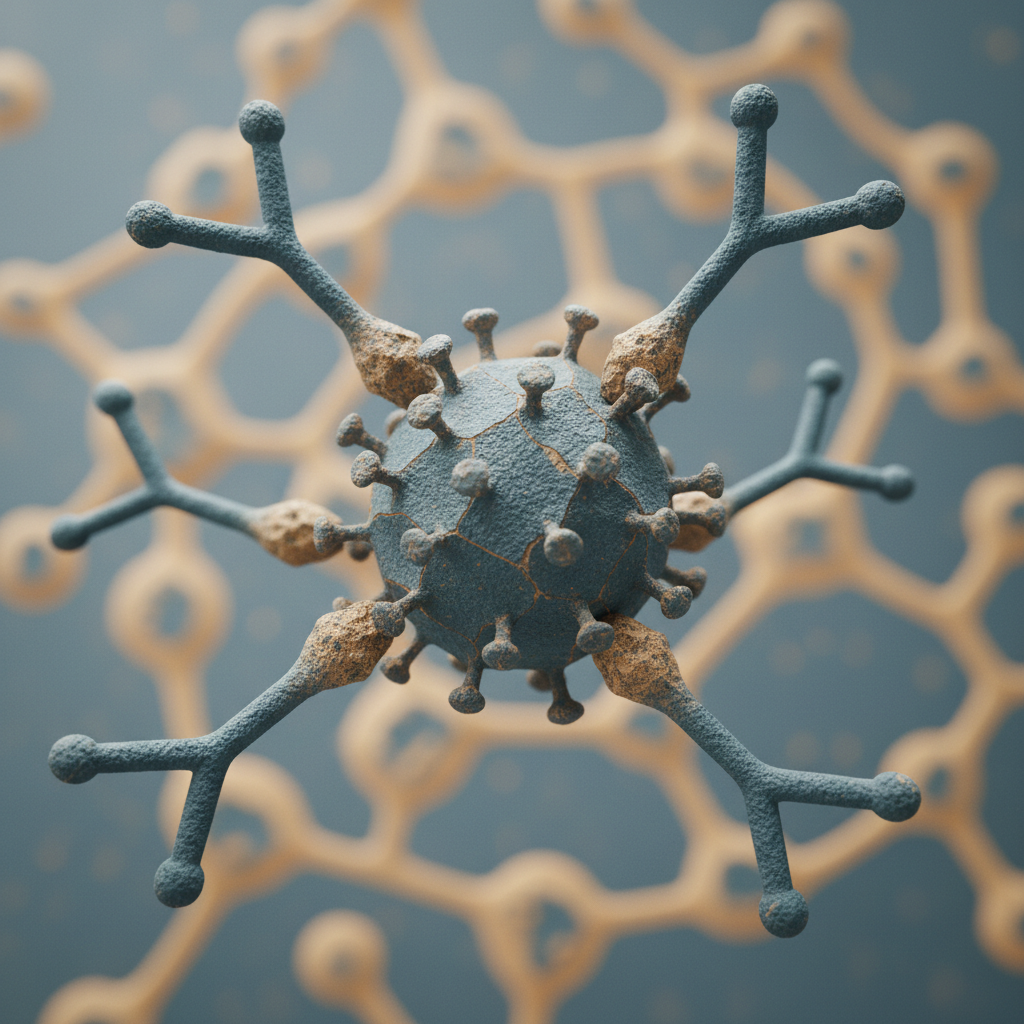
Somewhere in your bloodstream right now, cells are quietly carrying instructions written years ago, sometimes decades ago, about how to recognise and destroy specific invaders. This is immunological memory, and it is the entire reason vaccination works. A vaccine does not fight disease directly. It stages a rehearsal, so that if the real performance ever happens, the body already knows its lines.
The immune system's two-part strategy
To understand vaccines, it helps to know that the immune system operates in two overlapping modes. The innate immune system is the fast, generic first responder, made up of cells that attack anything that looks foreign without needing to have seen it before. The adaptive immune system is slower to start but far more precise, capable of learning the exact shape of a specific pathogen and remembering it for years.
Vaccines work almost entirely by engaging the adaptive system. Their goal is to trigger the slow, specific learning process in a safe context, so that the fast responders of the future have detailed instructions to work from.
Antigens: the shapes the body learns to recognise
Every pathogen carries distinctive molecular shapes on its surface, called antigens. These might be proteins on the coat of a virus or on the outer membrane of a bacterium. The adaptive immune system does not need to see the whole pathogen to build a defence; it only needs to learn these characteristic shapes. This is the loophole vaccines exploit: they can present just the antigen, or a harmless version of the pathogen carrying it, without ever causing the disease itself.
What actually happens after a vaccine goes in
Within hours of vaccination, immune cells called dendritic cells capture the antigen and carry it to nearby lymph nodes, which function as coordination centres for the immune response. There, the antigen is presented to two key types of white blood cell: B cells and T cells.
B cells that happen to recognise the antigen begin multiplying rapidly and start producing antibodies, Y-shaped proteins that can bind directly to the pathogen and mark it for destruction or block it from infecting cells. T cells, meanwhile, take on different roles: helper T cells support the B cell response, while killer T cells learn to destroy any of the body's own cells that later become infected.
The memory that lasts
What makes this process so valuable long-term is that a subset of the B and T cells created during this response do not die off once the threat, real or simulated, is cleared. They become memory cells, long-lived cells that persist in the bone marrow, spleen and lymph nodes, sometimes for a lifetime. If the actual pathogen ever appears, these memory cells can recognise it within hours and mount a full antibody response far faster than the days or weeks the first encounter required.
This is the entire mechanism behind vaccination in one sentence: it creates memory cells without making you suffer the disease first.
Why vaccines come in such different forms
Not all vaccines present the antigen in the same way, and the differences matter for how strong and how long the resulting protection tends to be.
- Live-attenuated vaccines use a weakened version of the actual pathogen, which still replicates a little and tends to produce strong, long-lasting immunity because it closely mimics natural infection.
- Inactivated vaccines use a killed version of the pathogen, which cannot replicate and is very safe, but often produces a shorter-lived response, requiring boosters.
- Subunit and protein vaccines present just a fragment of the pathogen, such as a single surface protein, minimising side effects while still training the immune system.
- mRNA vaccines deliver genetic instructions that tell a person's own cells to briefly manufacture a harmless piece of the pathogen's antigen, which the immune system then learns to recognise.
A comparison at a glance
| Vaccine type | What it delivers | Typical durability |
|---|---|---|
| Live-attenuated | Weakened whole pathogen | Often long-lasting |
| Inactivated | Killed whole pathogen | Moderate, boosters common |
| Subunit/protein | Isolated antigen fragment | Moderate, boosters common |
| mRNA | Instructions to make antigen | Varies by target |
Why boosters exist at all
If memory cells can last decades, why do some vaccines need repeated doses? Part of the answer lies in how strongly the first dose engages the immune system. A single exposure, especially to an inactivated or subunit vaccine, may generate a modest pool of memory cells. A second or third dose, spaced appropriately, re-exposes the immune system to the same antigen and drives further rounds of selection, producing a larger and more durable population of memory cells with antibodies that bind the target more precisely, a refinement process called affinity maturation.
Some pathogens also mutate quickly, meaning the antigen itself changes over time, which is why certain vaccines are updated regularly rather than simply repeated.
Herd effects: protection beyond the individual
When enough people in a population carry immune memory against a pathogen, it becomes statistically harder for that pathogen to find a new susceptible host to infect, slowing or stopping its spread through the community. This indirect protection particularly benefits people who cannot be vaccinated themselves, such as those with certain immune conditions, because the chain of transmission around them is interrupted before it reaches them.
Common misconceptions worth untangling
A frequent point of confusion is the idea that a mild fever or sore arm after vaccination means the vaccine is "fighting an infection." In reality, these symptoms are simply signs that the innate immune system has been activated by the antigen and is helping recruit the adaptive response, a normal and generally short-lived part of building memory, not evidence of illness.
Another misconception treats natural infection and vaccination as fundamentally different processes. Immunologically they are closely related: both expose the adaptive immune system to antigens and both can generate memory cells. The difference is that vaccination achieves this exposure without the risks, sometimes severe, that come with the actual disease.
A rehearsal worth having
The elegance of vaccination lies in exploiting a system the body already has: memory. Rather than inventing a new form of defence, vaccines simply give the existing adaptive immune system a safe opportunity to learn in advance. For more explorations of how the body's internal systems work, browse our science coverage.
About the author
Mara Devlin edits the publication and writes about the internet's infrastructure and incentives. She spent a decade as a technology reporter and editor before founding this masthead, and still does most of her reporting by reading documentation nobody else wants to read.