How online businesses earn trust from first-time customers
Without a storefront or a handshake, trust has to be built through smaller, visible signals.
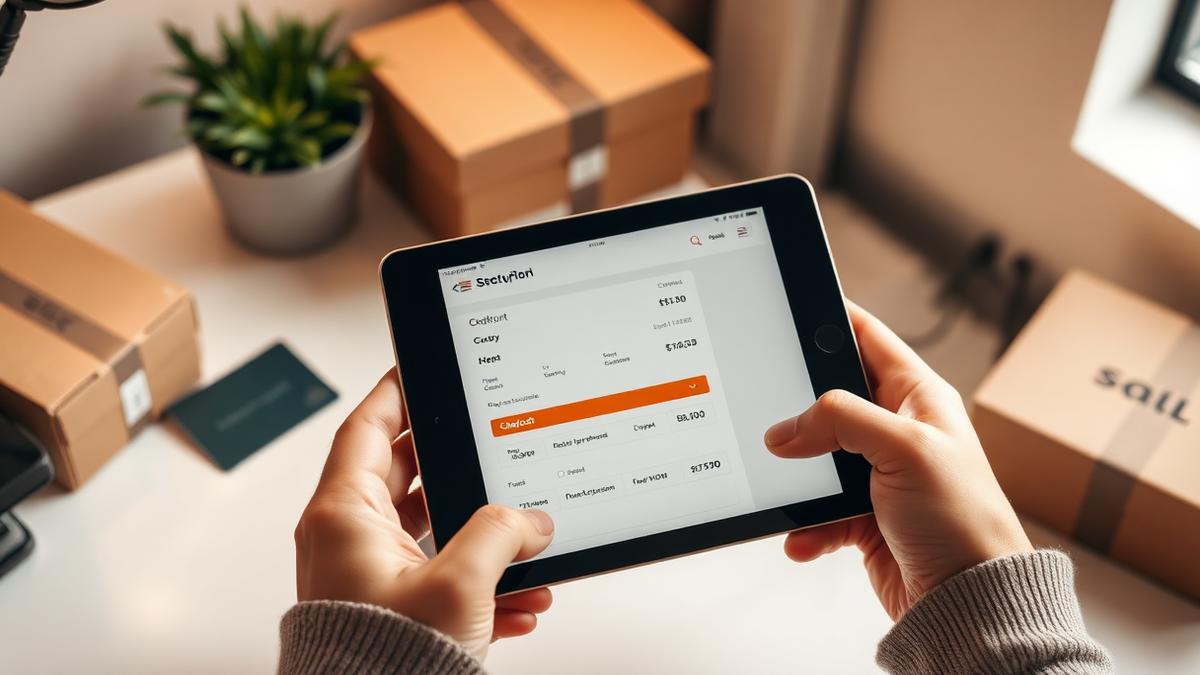
A shopper walking into a physical store gathers trust signals without thinking about it: the state of the shelves, the way staff speak, whether other customers seem satisfied. Online, none of that is available. A new visitor is deciding whether to hand over money and personal details to a business they have never physically encountered, based on a handful of pages viewed in under a minute. Earning that trust is a design problem as much as a reputation problem.
Clarity beats persuasion
It is tempting to think trust is built through confident marketing language — bold claims, urgency, glowing testimonials. In practice, the opposite often works better. Clear, specific, slightly boring information does more to reassure a wary buyer than enthusiastic copy does. A shipping page that states plainly how long delivery takes and what happens if something arrives damaged is more convincing than a banner promising "the best service anywhere."
Specificity signals that a business has actually thought through the buyer's experience, rather than assembling a page from templates. Vague reassurance reads as filler; precise detail reads as competence.
Show the parts most businesses hide
New customers look for the ordinary things: a real contact method, a returns process spelled out before purchase, and pricing that does not require a surprise at checkout. Businesses that hide these details until the last possible step, or bury them in fine print, tend to lose hesitant buyers at exactly the moment they were close to deciding.
- A visible way to contact a real person, not only a form that disappears into silence.
- Total price, including shipping and any fees, shown before the final step.
- A returns and refund policy that is easy to find and written in plain language.
- Some evidence that other people have actually bought and been satisfied, presented honestly rather than curated to look flawless.
Consistency across small details
Trust erodes fast when small things do not line up. A product photographed in one setting but described in another tone, a delivery estimate that turns out to be unrealistic, or an email confirmation that looks different in style from the website — each of these is minor on its own, but together they create a nagging sense that something is off, even if a shopper cannot say exactly why.
This is why trust tends to be built by operational consistency more than by clever marketing. A business that reliably ships when it says it will, replies within the time it promises, and describes products accurately builds a quiet reputation that compounds over time, largely without anyone having to say anything explicit about trustworthiness.
Reviews, handled honestly
Genuine reviews, including a few mixed or lukewarm ones, tend to be more persuasive than a wall of five-star praise. Shoppers have become adept at recognising review pages that look curated or purchased, and the suspicion that reviews are not real can undo more trust than having no reviews at all. A business that responds calmly and specifically to a critical review often reassures new visitors more than the review itself worried them.
What to prioritise, roughly
| Trust signal | Effort to implement | Impact on new customers |
|---|---|---|
| Clear total pricing before checkout | Low | High |
| Plain-language returns policy | Low | High |
| Visible, responsive contact method | Medium | High |
| Unfiltered, genuine reviews | Medium | Medium to high |
| Polished visual branding | High | Medium |
Trust after the sale matters too
The period right after purchase, before a product has even arrived, is when a lot of first-time customers quietly decide whether they will buy again. A short, clear confirmation email, an honest delivery estimate, and a simple way to check order status do more for long-term trust than anything on the original sales page. This is also where problems, when they happen, offer a real opportunity: how a business handles a delay or a mistake is remembered far more than the mistake itself.
Trust is built, not claimed
No amount of wording on an "About Us" page substitutes for a business simply doing what it says it will do, consistently, in ways a new customer can verify for themselves. The businesses that earn trust quickly are usually not the ones with the most persuasive copy, but the ones that made it easy to check the details that mattered before money changed hands. For more on the operational side of building a customer base, see our business coverage.
About the author
Helena Vos writes about media, culture and how small businesses actually operate. She previously worked in independent publishing, which is where she learned to distrust round numbers and unsourced statistics.