Cash Flow Versus Profit: The Confusion That Sinks Businesses
A profitable business can still run out of money. Understanding why is the difference between surviving and not.
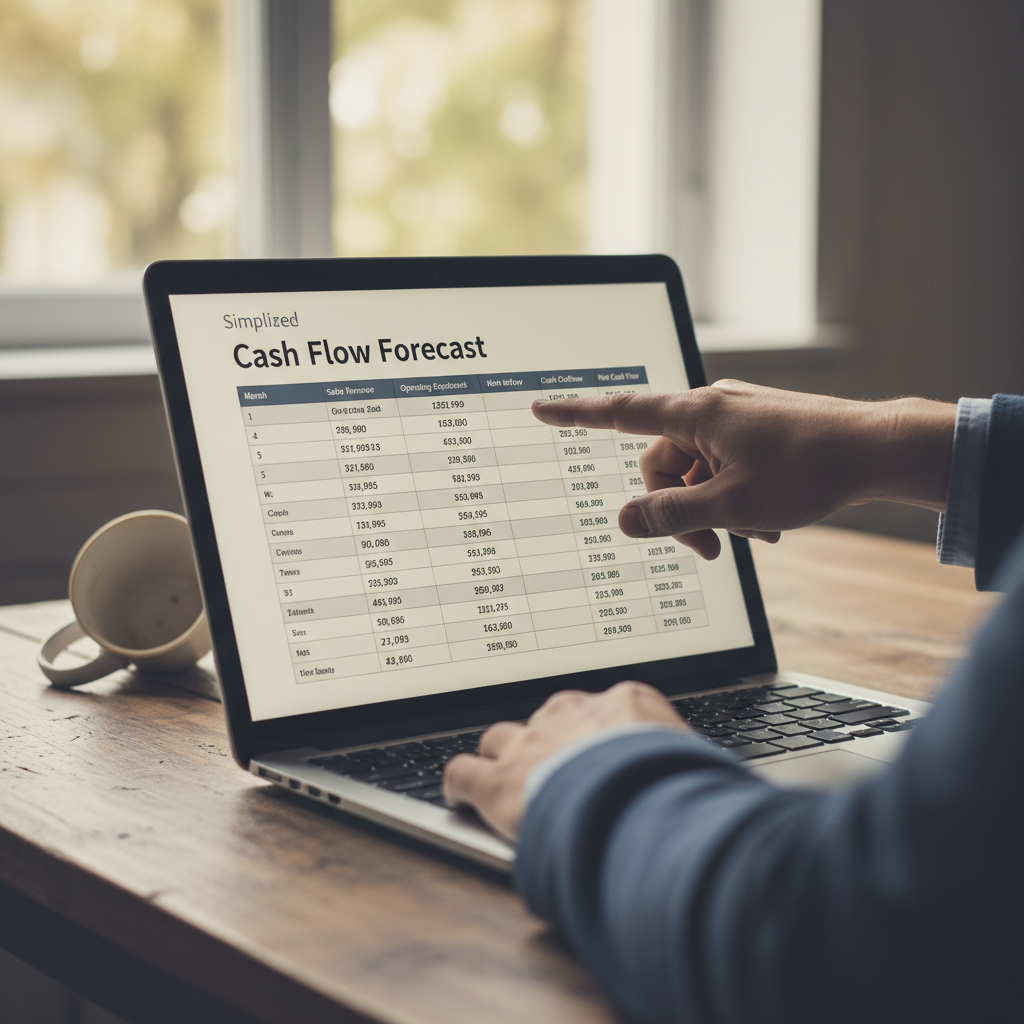
It is one of the more unsettling facts of running a business that a company can be genuinely profitable on paper and still fail to pay its bills. This is not a paradox or an accounting trick; it is a direct result of confusing two things that sound similar but behave very differently: profit and cash flow. Understanding the difference is one of the least glamorous but most important skills a small business owner can develop.
What profit actually measures
Profit is the difference between the income a business has earned and the costs it has incurred over a given period, regardless of whether that income has actually landed in a bank account or those costs have actually been paid out. A business can record a sale as revenue the moment an invoice is issued, long before the customer actually pays it, and it can record a cost the moment it is incurred, even if payment is due weeks later.
This is entirely normal and, for many purposes, useful. It gives a picture of whether the underlying business model works: are you charging enough for what you deliver, relative to what it costs to deliver it? But it tells you almost nothing about whether you can pay your rent next week.
What cash flow actually measures
Cash flow is simply the movement of actual money in and out of the business, at the time it actually moves. A large invoice recorded as revenue this month might not be paid for another sixty days. A big expense recorded this month might already have left the account weeks ago as a deposit. Cash flow tracks reality as your bank balance experiences it, not as your accounts describe it in summary.
A business can be highly profitable over a year and still experience a month, or several months, where more cash goes out than comes in, simply because of timing. If those gaps are not planned for, they can be fatal even to a fundamentally healthy business.
How the gap actually forms
The gap between profit and cash is driven by a handful of very ordinary business realities, each of which is manageable individually but dangerous when several stack up at once.
Common causes of the gap
- Customers who take 30, 60 or 90 days to pay an invoice, even though the sale is recorded immediately
- Large upfront costs, such as stock or equipment, paid before the related revenue arrives
- Seasonal businesses where income is concentrated in a few months but costs continue year-round
- Growth itself, since a growing business often needs to spend on stock, staff or marketing well before the resulting sales are collected
That last point catches many owners off guard: growth, which feels like unambiguous good news, is often the exact moment cash flow becomes most fragile, because spending accelerates ahead of collections.
A simple way to see the difference
Consider a small business that completes £20,000 of work in a month, all invoiced with 60-day payment terms, and spends £14,000 that same month on materials, wages and rent, most of which is paid immediately. The profit and loss statement for that month shows a healthy £6,000 profit. The bank account, however, shows £14,000 leaving and nothing yet arriving, a cash shortfall of the full £14,000 until those invoices are eventually paid two months later.
| Measure | This month | Reality in the bank |
|---|---|---|
| Revenue recorded | £20,000 | £0 received yet |
| Costs recorded | £14,000 | £14,000 actually paid |
| Profit | £6,000 | Cash position: -£14,000 |
Nothing about this scenario indicates a badly run business. It indicates a business that has not planned for the timing gap between doing the work and being paid for it.
Building a simple cash flow forecast
The most effective tool against this problem is not sophisticated software but a basic forecast, updated regularly, that tracks actual expected cash in and out by week or month, rather than accounting profit. It does not need to be complicated to be useful.
What a workable forecast includes
- Expected cash receipts, based on actual invoice due dates, not the date the sale was made
- Expected cash payments, based on when bills are actually due
- The starting cash balance for the period
- A running total showing the lowest point the balance is expected to reach
That last figure, the lowest expected point, is the single most useful number in the whole exercise. It tells you, weeks in advance, whether you are heading toward a genuine shortfall, giving you time to act rather than discovering the problem the day a payment bounces.
Levers that actually help
Once a cash gap is visible in advance, there are several practical ways to address it, most of which are more effective than simply hoping revenue arrives faster.
- Shortening payment terms for new invoices, or requesting deposits on larger orders
- Negotiating longer payment terms with your own suppliers where relationships allow it
- Timing large purchases to fall after expected cash receipts rather than before them
- Arranging a modest credit facility in advance of needing it, rather than during a crisis
That last point matters more than it might seem. Credit arranged calmly, before it is urgently needed, is usually available on far better terms than credit sought in a panic once a shortfall has already appeared.
Why profitable businesses still fail
The businesses most at risk from this confusion are often the ones that look successful from the outside: growing revenue, healthy margins, positive profit every quarter. It is precisely this apparent health that leads owners to assume cash flow will take care of itself, right up until a particularly large customer pays late, a supplier calls in a balance early, or a seasonal dip arrives at the same time as a tax bill.
None of these individual events would sink a business with a clear view of its cash position and a small buffer in reserve. Stacked together and unanticipated, they are exactly the combination that turns a profitable business into a failed one, often within a matter of weeks.
Making the distinction part of routine management
The fix for this is not complicated, but it does require discipline: reviewing cash position separately from profit, on a regular schedule, and treating the forecast as seriously as the profit and loss statement rather than as an occasional afterthought. Businesses that build this habit early rarely find themselves caught out by a gap they could have seen coming.
Profit tells you whether the business model works. Cash tells you whether you will still be here to benefit from it. Both deserve regular attention, but only one of them determines whether payroll gets made this Friday. For more on managing the financial side of a growing business, see business.
About the author
Idris Oyelaran covers consumer technology, privacy and applied science. He is happiest explaining a complicated system in ordinary language, and he tests every recommendation on his own devices before it appears in a story.