How a season of television gets scheduled and released
Behind every release date is a long chain of production, marketing, and business decisions most viewers never see.
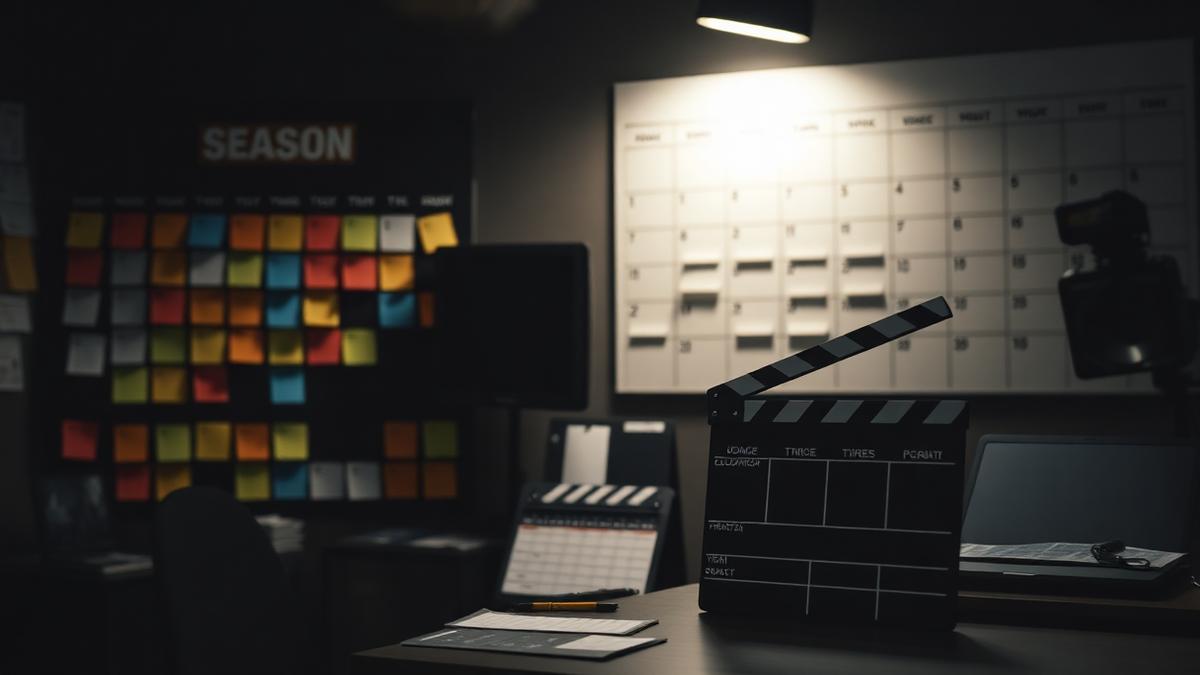
To a viewer, a new season of television simply appears on a given date. Behind that single date, however, sits a long chain of decisions involving production schedules, marketing calendars, and competitive strategy, most of which the audience never sees. Understanding that process explains a lot about why shows arrive when they do, and why release dates sometimes shift with little public explanation.
Production comes first
Long before a release date is set, a season must actually be made. Scripts are written, often over months, followed by pre-production planning covering casting, locations, and budgeting. Filming itself can take anywhere from a few weeks to the better part of a year depending on scale, and post-production, including editing, visual effects, sound design, and color work, frequently takes just as long as filming did.
Only once a season is close to finished does a realistic release window start to take shape. Studios generally avoid announcing firm dates too early, since production delays are common and a broken promise to audiences can generate more negative attention than a quiet, later announcement would.
Reading the competitive calendar
Once a show is close to ready, scheduling becomes a strategic exercise. Studios and platforms study the release calendar of competitors, trying to avoid launching a major new season in the same week as another highly anticipated show that might split audience attention and media coverage. At the same time, certain calendar periods, around major holidays or widely watched live events, are often treated as valuable windows precisely because more people are looking for something new to watch.
This calculation extends across an entire slate of releases within a single platform as well. A studio with several shows ready to go will typically space out its own releases, since two major titles launching in the same week can cannibalize attention from each other rather than truly competing against outside programming.
Factors that influence release timing
- Competing releases from other studios and platforms in the same genre or audience segment.
- Major cultural or sporting events that could either boost or drain available audience attention.
- Marketing lead time needed to build anticipation through trailers, interviews, and press coverage.
- Regional licensing agreements that can delay international availability even after a domestic release.
The marketing runway
Once a release window is set, a marketing campaign builds around it in carefully staged phases. An initial announcement generates early interest, followed by a teaser, then a full trailer, often timed to a major industry event where attention is already concentrated. Cast interviews, behind-the-scenes features, and social media campaigns are spaced out to maintain visibility without exhausting audience interest before the release date actually arrives.
This staged approach requires the release date to be locked in relatively early, since a marketing campaign cannot be built around a moving target. This is part of why delays, once a date is publicly announced, tend to draw significant attention and disappointment, even when the underlying reason is a reasonable one like additional editing time.
Weekly versus full-season release
Deciding whether to release an entire season at once or roll episodes out weekly is its own strategic decision, weighed against a show's genre, target audience, and how much sustained conversation the platform hopes to generate. Shows built around twists and mystery often benefit from a full-season drop, letting eager viewers consume the story quickly before spoilers spread. Shows built around sustained cultural conversation, on the other hand, often perform better with a weekly release that keeps the show in public discussion for a longer stretch of time.
What happens after release
Even after release, scheduling work continues. Viewership data informs decisions about renewal, and the timing of a renewal or cancellation announcement is itself managed carefully, since fan reaction to how and when news breaks can affect a studio's public image well beyond the show in question. Readers interested in how these industry mechanics shape what audiences ultimately see can explore more in our entertainment coverage.
The simple appearance of a release date, then, is the visible tip of a long and carefully managed process, one that balances creative timelines against a competitive, crowded, and increasingly global entertainment calendar.
About the author
Mara Devlin edits the publication and writes about the internet's infrastructure and incentives. She spent a decade as a technology reporter and editor before founding this masthead, and still does most of her reporting by reading documentation nobody else wants to read.